Catholic Church represented at Anglican Consultative Council meeting
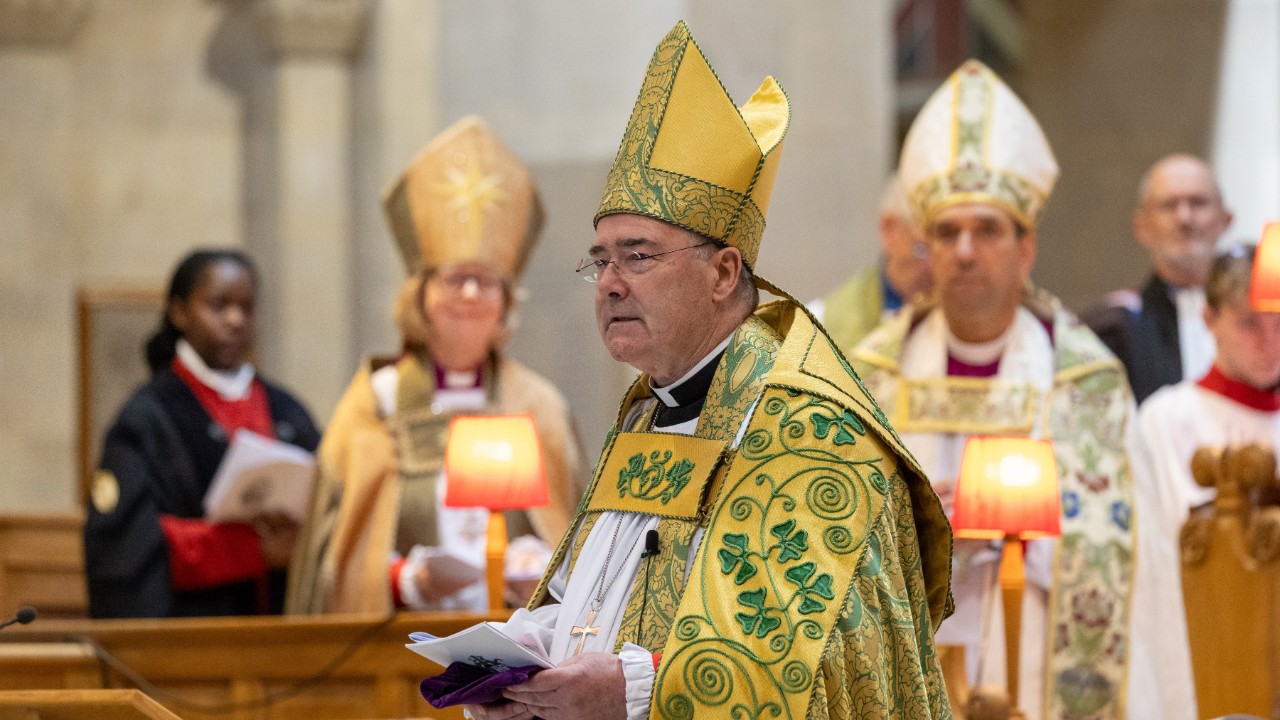
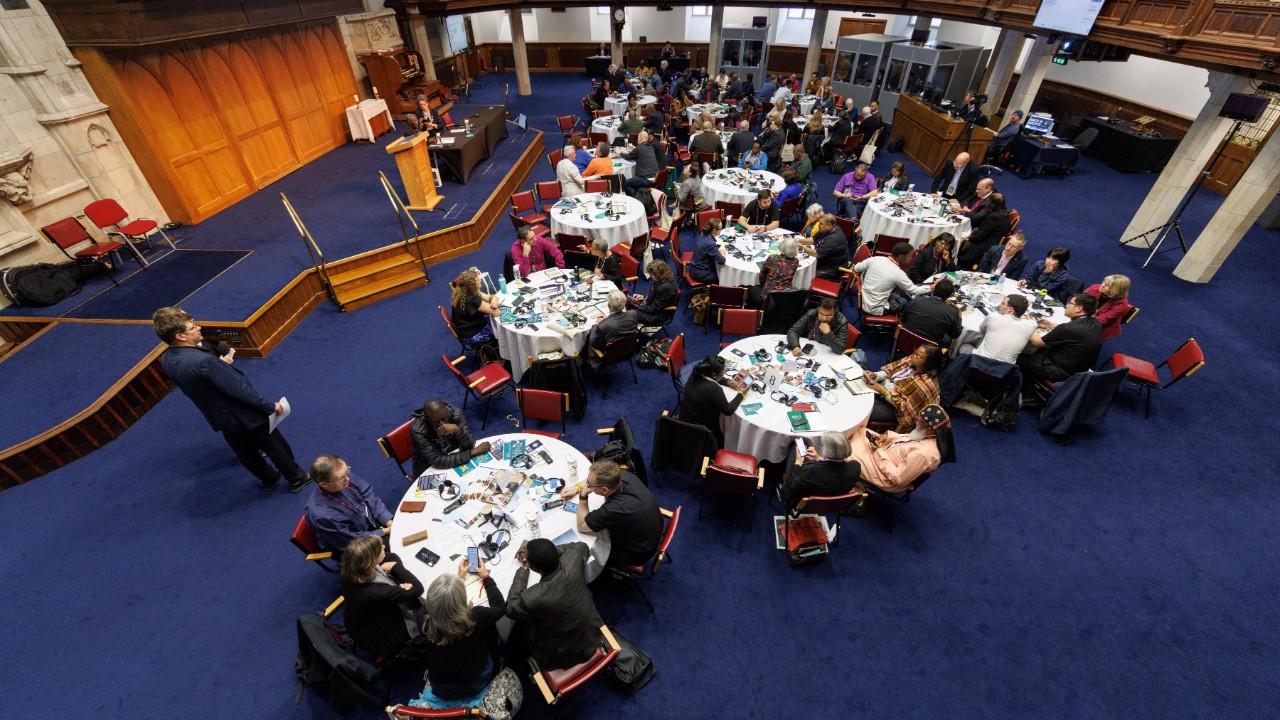
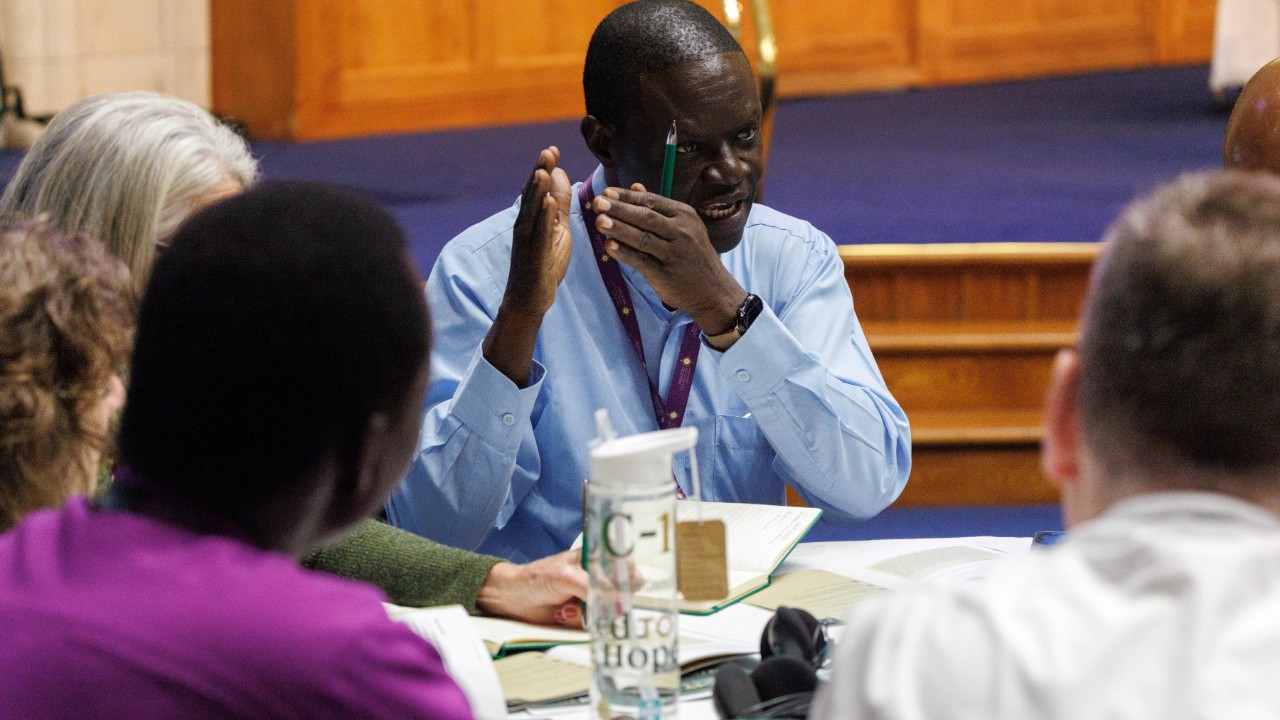
The nineteenth Anglican Consultative Council (ACC) met in Belfast, Northern Ireland from 28 June to 4 July. The ACC is one of Anglicanism’s four ‘Instruments of Communion’, along with the Archbishop of Canterbury, the Primates’ Meeting and the Lambeth Conference. The ACC, the only Instrument which includes lay people along with clergy and bishops, meets every three years. The 2026 meeting was the first ACC gathering since the election of the Most Reverend Sarah Mullally, the first female Archbishop of Canterbury. It was hosted by the Anglican Church of Ireland which, like the Catholic Church, is organised as a single body serving the two political jurisdictions on the island of Ireland. Representatives were present from 37 out of the 42 provinces of the Anglican Communion, with representatives from one other province unable to travel because of the Ebola crisis in Central Africa.
The focus of the ACC is to build communion between Anglicans from around the world, by gathering them for prayer, Bible study, and discussions about church life and mission in the world. The key document for discussion at the Belfast meeting was the Nairobi-Cairo Proposals, a paper produced by the Inter-Anglican Standing Committee on Unity, Faith and Order (IASCUFO). The paper examines structure and decision-making in the Anglican Communion, making proposals to help address some of the serious differences that have arisen between Anglicans in recent years. The members of IASCUFO visited the Dicastery in December 2025, when an exchange regarding these proposals took place.
The two principal proposals in the document involved altering how the Anglican Communion describes itself, and how it is led. The first of these proposed removing the necessity of communion with the See of Canterbury for membership, referring instead to a ‘historic connection’. After several days of discussion, ACC members chose not to adopt the Nairobi-Cairo Proposals. Instead, it called for a period of further dialogue, to rearticulate and develop Anglican identity, including the relationship between the four Instruments of Communion. Noting widespread agreement that communion with the See of Canterbury remains vital to any rearticulation of Anglican identity, the meeting also asked for consideration of primacy and synodality, asking what Anglicans can learn from previous work by ecumenical dialogue commissions and from existing ecumenical agreements, as well as work done in this area by the Orthodox Church and the Catholic Church.
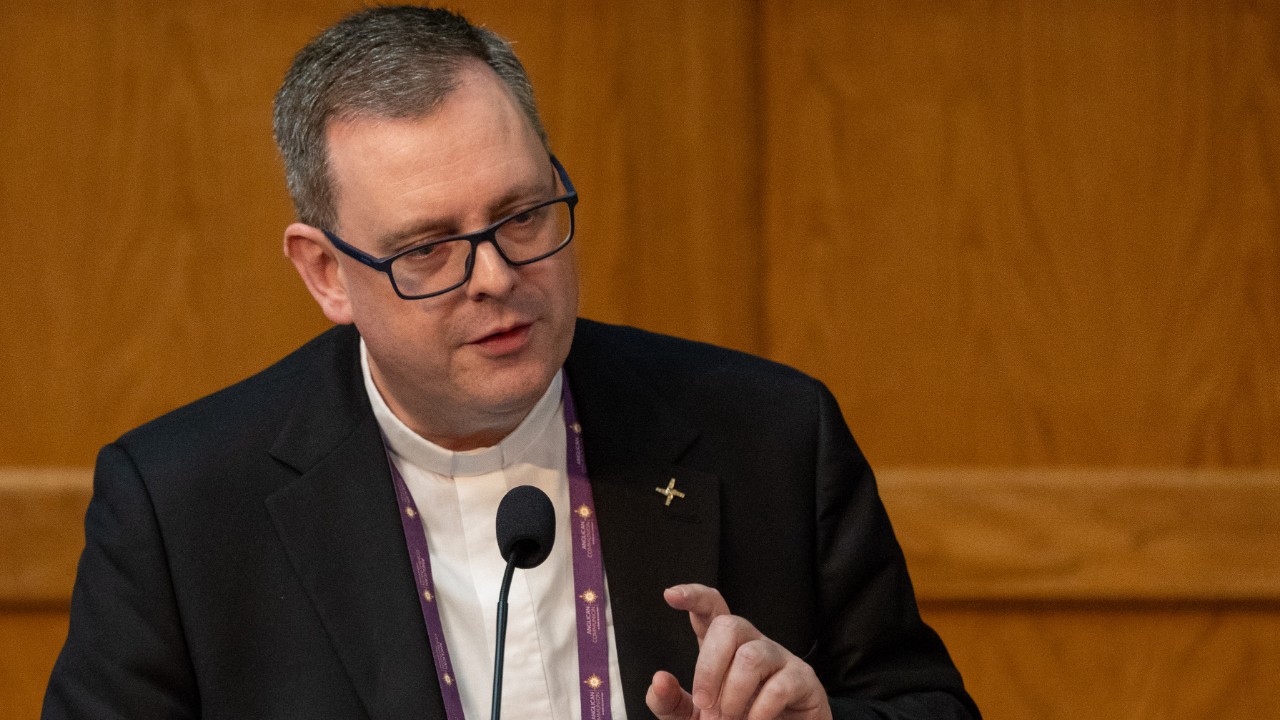
On Monday 29 June, the Catholic Archbishop of Armagh and Primate of All Ireland, Most Reverend Eamon Martin, visited and addressed the meeting. The Dicastery for Promoting Christian Unity was represented throughout the meeting by Revd Fr Martin Browne OSB, the official responsible for relations with the Anglican Communion. On Friday 3 July, he was invited to speak in the plenary session, offering an ecumenical perspective on the week’s deliberations. In his comments he drew particular attention to the work of the Anglican-Roman Catholic International Commission’s document on The Church as Communion, where Anglicans and Catholics agreed that sharing in the Eucharist together is the ‘pre-eminent expression and focus’ of ecclesial communion.
The next meeting of the Anglican Consultative Council will take place in 2029 in Kolkata, hosted by the Church of North India.
Photos © Neil Turner/Anglican Communion Office